
Insulation vs. Solar Panels: A Homeowner’s Cost-Savings Perspective (Upstate NY)
1. Introduction: The “Big Upgrade” Question
If you’re a homeowner in Upstate New York, you already know winter isn’t a “season.” It’s a lifestyle. And with that lifestyle comes a familiar pain: the utility bill that shows up like an uninvited guest—loud, persistent, and expensive.
So naturally, a lot of homeowners ask the same question:
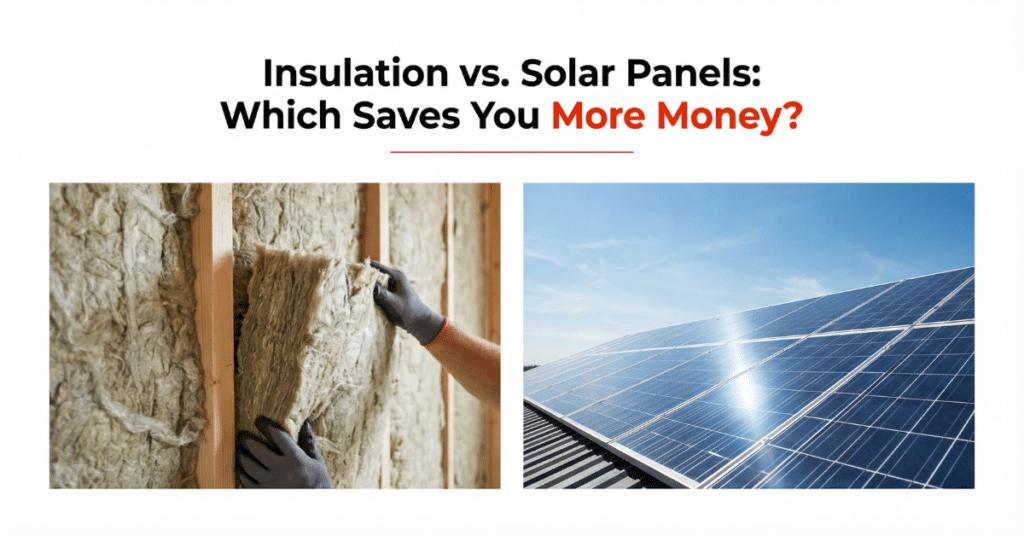
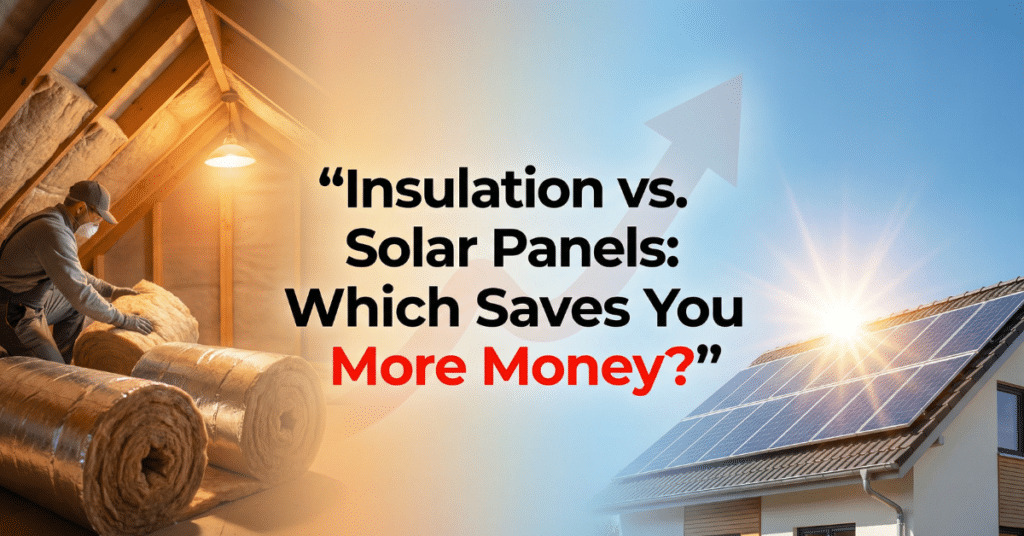
Should I invest in solar panels… or should I upgrade my roof system with air sealing and spray-foam insulation?
Here’s the blunt truth: most people chase solar because it feels like a “power move.” But if your home is leaking heat like a bucket with holes, producing more energy doesn’t fix the leak. It just means you’re paying top dollar to replace what you’re wasting.
If you’re not sure whether you’re in “repair mode” or “full upgrade mode,” start here: roof inspections or get a free quote.
Let’s compare both options from a homeowner’s cost-savings perspective—comfort, durability, and long-term value included.
2. Quick Snapshot: Solar vs. Insulation-First
2.1 Typical price ranges
2.1.1 Solar system costs
A typical solar panel system commonly costs $25,000 to $40,000 before incentives. That’s real money. Even after tax credits, you’re still talking about a big check (or a long loan).
2.1.2 Roof + air sealing + spray-foam add-on costs
If you’re already replacing a roof, adding re-decking, air sealing, and spray-foam insulation typically adds about $10,000 to $15,000 to the project.
2.2 What each upgrade actually changes
2.2.1 Solar changes supply
Solar helps you generate electricity. It can offset part of your electric usage. It’s about producing energy.
2.2.2 Insulation changes demand
Insulation and air sealing reduce how much energy your home needs in the first place. It’s about stopping the waste. That difference matters more than most homeowners realize.
3. What Most Homeowners Miss About Their Utility Bill
3.1 Supply charges vs. delivery fees
Look closely at your bill. Many homeowners pay nearly as much in delivery fees and base charges as they do for the actual energy they use. That’s the part solar doesn’t magically erase.
3.2 Why lowering demand protects you from future rate increases
Here’s a question nobody wants to hear, but everyone should ask: What happens when energy prices go up again?
If your home is inefficient, every rate increase hits you harder. But when you reduce demand—by sealing and insulating—you cut the amount of energy you must buy, now and in the future.

4. Solar Panels: The Honest Homeowner Math
4.1 The real upfront investment
Solar is often marketed like it’s “free,” but that’s sales talk. In reality, it’s a long-term investment with a large upfront cost—either out of pocket or financed.
4.2 Break-even timelines and why they run long
A lot of solar systems take 20 to 25 years to hit financial break-even. That’s not automatically bad—but it’s not the quick win people think it is.
4.2.2 Maintenance and roof coordination
Solar also adds complexity:
- Panels sit on your roof
- Roof work later can require panel removal/reinstall
- Wiring and inverters may require service over time
You’re adding a system on top of a system. If you want to see what a proper roof system upgrade looks like, check before & after projects.
5. Insulation-First: The “Stop the Leak in the Bucket” Approach
If solar is like installing a bigger water pump… insulation is like sealing the holes in the pipes.
5.1 Air sealing: the invisible game-changer
Air sealing is one of the most underrated upgrades in home performance… When warm air escapes into the attic, your heating system works overtime—and your comfort suffers.
5.2 Spray-foam insulation: performance that sticks
Heat rises. That means your roof and attic are basically the “escape route” for expensive indoor air. Spray-foam insulation combined with proper air sealing tackles the biggest loss area in most homes.
(And yes—this ties directly into your roof system. That’s why homeowners usually combine this work with residential roofing projects.)
6. Best Time to Upgrade: During Roof Replacement
When replacing a roof, you have a rare opportunity: you can access and correct structural and airflow problems that might be hidden for years.
If you’re in the Albany area and your roof is getting older, start local: roofer in Albany NY.
And if you’re ready to price it out, go straight to: free estimate.
7. Ice Dams: Not a Roofing Failure (Here’s What It Really Means)
If you’ve ever seen big icicles or thick ice at the eaves, you’ve seen the symptom of a home performance problem.
Ice dams can lead to leaks into ceilings and walls and interior damage. If you’re dealing with active leaking, don’t “wait and see.” Start here: emergency roof repair or general roof repair.
8. Comfort Is a “Savings” Too
Air sealing helps stop drafts… Better sealing helps keep humidity more stable… HVAC runs less… fewer repairs.
9. Resale Value: What Buyers Actually Notice
A newer roof system with strong insulation signals lower maintenance, better comfort, and fewer surprises. If you want buyers (and homeowners) to trust the work, show the humans behind it: meet the team.
10. Durability and Moisture: The Hidden Money Drain
Moisture problems start with air leaks… tighter envelope helps protect framing and roof components… longer roof life.
12. When Solar Makes Sense (After Insulation)
Yes—and it’s often smarter later, after the home is sealed and demand is lower.
If budget is the blocker, don’t dance around it—just offer it once: financing options.
15. Conclusion: The Most Cost-Effective Energy Upgrade
Before you spend $25,000 to $40,000 on solar panels, make sure your home isn’t bleeding energy through the roof. Solar can be a good upgrade—later. But for most homeowners, the best first move is simple: reduce the energy you need in the first place.
Next step: